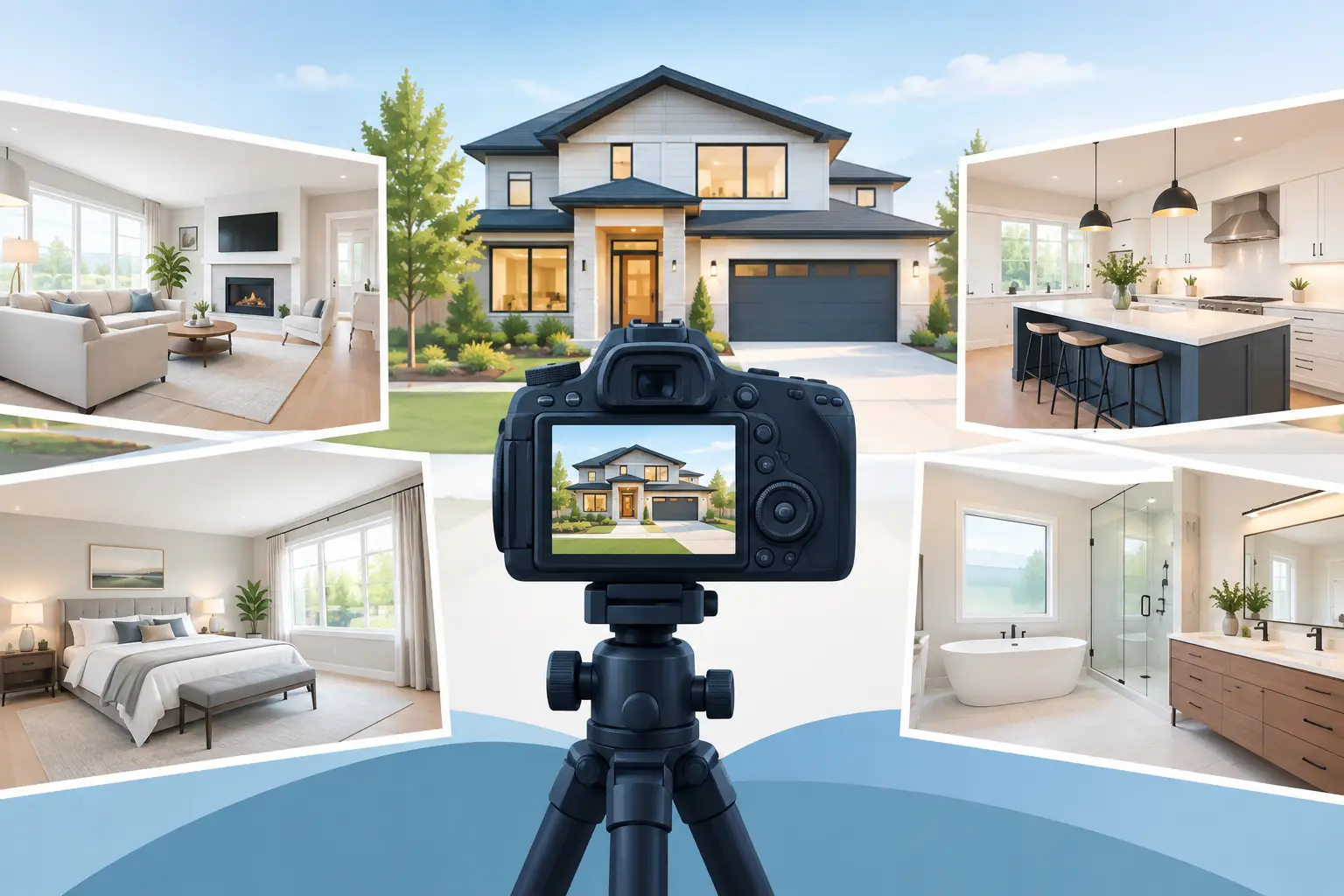
A bright window, a shaded hallway, and a kitchen with reflective cabinetry can exist in the same frame – and that is exactly where HDR real estate photography earns its place. Buyers expect to understand a property before they book a showing. When listing photos feel dark, overly bright, or disconnected from the space they represent, that first impression becomes harder to recover.
For realtors across Surrey, Langley, Delta, White Rock, Vancouver, and the Lower Mainland, HDR photography is not simply a technical choice. It is a practical way to present a home with clarity, balance, and a sense of place. Done well, it helps a listing look polished without making it look artificial.
What HDR Real Estate Photography Actually Does
HDR stands for High Dynamic Range. In property photography, it usually means capturing multiple exposures of the same composition: a darker image to preserve bright windows and exterior detail, a brighter image to reveal shadowed areas, and one or more exposures in between. Those images are then carefully blended into one finished photograph.
The goal is not to make every room look brighter than it is. The goal is to show detail that a single exposure often cannot hold at once. A sunny living room may have a view outside, recessed corners, and light-colored walls. A properly exposed single image may preserve the view but leave the room too dark. Brightening the room may turn the windows into blank white rectangles. HDR processing gives us more information to work with, so the final image can feel balanced and believable.
This matters especially in the Lower Mainland, where changing weather and soft natural light can alter a home’s appearance quickly. A property with large windows may look completely different on an overcast afternoon than it does in direct sun. Our approach accounts for the conditions on site rather than applying one identical formula to every listing.
The Difference Between Balanced HDR and Overprocessed HDR
HDR has sometimes earned a poor reputation because it can be pushed too far. Oversaturated grass, glowing window frames, gray shadows, and exaggerated contrast may get attention for the wrong reasons. They can also make a property feel unlike the space a buyer will see in person.
Professional HDR real estate photography should feel intentional, not obvious. Walls should remain a natural color. Window views should be visible without looking pasted in. White cabinetry should retain texture rather than turning flat or blue. Exterior scenes should show a realistic sky and landscaping when conditions allow, but should not look like a different day was inserted into the image.
There is also a judgment call with interior lighting. Turning on every lamp can create warmth, but mixed lighting may add strong yellow or orange casts to a room. In other homes, lamps and under-cabinet fixtures help define the atmosphere. We assess the room, its available daylight, its finishes, and the marketing goal before deciding how to photograph and finish it.
Why It Helps Buyers Understand the Property
Listing photography is often a buyer’s first walkthrough. Before they read the room dimensions or examine the disclosures, they are deciding whether the property feels worth their time. Bright, well-composed photos make it easier to understand the layout, finishes, storage, natural light, and relationship between indoor and outdoor spaces.
HDR is especially useful in rooms that carry a lot of buyer interest. Kitchens combine glossy surfaces, dark appliances, windows, and ceiling lights. Living rooms often include wide views and deep shadows behind furniture. Primary bedrooms may have bright windows beside darker feature walls. In each case, a balanced final image can communicate the room more clearly than a basic snapshot.
That clarity supports better marketing across the listing ecosystem. The same photography may appear on MLS, brokerage sites, property websites, social posts, email campaigns, and printed materials. A consistent visual standard helps the listing look considered wherever buyers encounter it.
Preparation Still Matters More Than the Camera
HDR can manage challenging light, but it cannot replace preparation. The strongest images start with a property that is ready to be photographed. Clean counters, straightened bedding, clear bathroom surfaces, open blinds, and removed personal items all make a measurable difference.
Before a shoot, we recommend that agents and homeowners walk through the home with the photos in mind. Remove unnecessary items from entryways and kitchen counters. Hide pet bowls, cords, bins, cleaning products, and remote controls. Make sure bulbs are working and that rooms can be accessed easily. For exterior images, move vehicles from the driveway when possible and tidy hoses, garbage bins, and seasonal clutter.
Staging does not need to mean redesigning the whole home. Often, a few thoughtful adjustments improve the result: aligning dining chairs, adding simple pillows to a sofa, or clearing a desk so the room reads as an office rather than a storage area. Photography works best when each room has one clear purpose.
Composition Gives HDR Its Marketing Value
Exposure blending is only one part of the process. A technically balanced image still needs a strong composition. The camera position, lens choice, framing, and visual flow determine whether a room feels open, useful, and proportional.
We photograph to communicate space rather than to create a misleading impression. Very wide lenses can make a small room look dramatically larger, but buyers notice the mismatch when they arrive. A better approach is to choose angles that show room connections, emphasize useful features, and maintain realistic proportions. In a condo, that may mean showing the kitchen and living area relationship. In a larger detached home, it may mean highlighting sightlines to the backyard, a fireplace, or a feature staircase.
Vertical lines require care as well. Door frames, cabinets, and walls that lean sharply can make a polished home look careless. Correcting perspective while preserving a natural sense of depth is a small technical detail that has a major effect on the finished gallery.
When HDR Is the Right Choice – and When It Needs Support
HDR is highly effective for most residential interiors, but no single technique is right for every image. A twilight exterior, for example, relies more on timing and careful ambient-light control than on extensive exposure blending. Drone imagery has its own light and weather considerations. A dark, design-led interior may benefit from a moodier treatment instead of being lifted until every corner is equally bright.
Some properties also need more than still photography to tell their story. A waterfront view, a large lot, a renovated kitchen, or a new development may benefit from cinematic video, drone photography, floor plans, virtual tours, or short social media reels. The right media mix depends on the property, target buyer, listing strategy, and budget.
That is why a property-specific approach matters. A compact Surrey condo and a White Rock view home should not be marketed with the same shot list or visual priorities. Good media starts with the question: what will help the right buyer understand why this property deserves a closer look?
A Reliable Photography Process Protects the Listing Timeline
Real estate moves quickly, and photography needs to fit the listing schedule without sacrificing care. A professional process starts with clear coordination: confirming access, identifying the property’s key features, checking whether the agent needs exterior, interior, amenities, or neighborhood-focused images, and planning around daylight when it matters.
On site, we work efficiently while paying attention to the details that can distract in a final photo. That includes open doors, uneven blinds, reflections, misplaced furniture, burnt-out lights, and clutter that may be easy to miss during a busy listing appointment. Editing then refines exposure, color, perspective, and minor visual distractions while keeping the home recognizable.
For agents, consistency is valuable. When every listing receives thoughtful coverage and clean finishing, your marketing feels more dependable to sellers and easier for buyers to navigate. At KS MAGIK SHOT, we treat photography as part of the larger listing presentation, not as an isolated task.
Choosing Images That Work Beyond MLS
A complete HDR gallery should not consist of near-duplicate angles. It should move a buyer through the property with purpose: an inviting exterior, key living spaces, kitchen details, primary areas, bathrooms, useful secondary rooms, outdoor spaces, and defining amenities. The number of final images depends on the home’s size and features, but each image should earn its place.
Consider the first few images carefully. They carry the most weight in search results and social previews. If the home has a strong curb appeal, view, kitchen, or great room, that feature may deserve an early position. The lead photo should invite a click while accurately representing what makes the property distinctive.
The most effective real estate photography makes buyers feel oriented, not overwhelmed. When exposure, composition, preparation, and editing work together, a home has room to make its own case – clearly, naturally, and before the first showing is ever booked.
Leave a Reply